Sightlines That Showcase Mountain Scenery
View cuts in Robbinsville for mountain homes, cabins, and rental properties where trees and brush obstruct scenic views
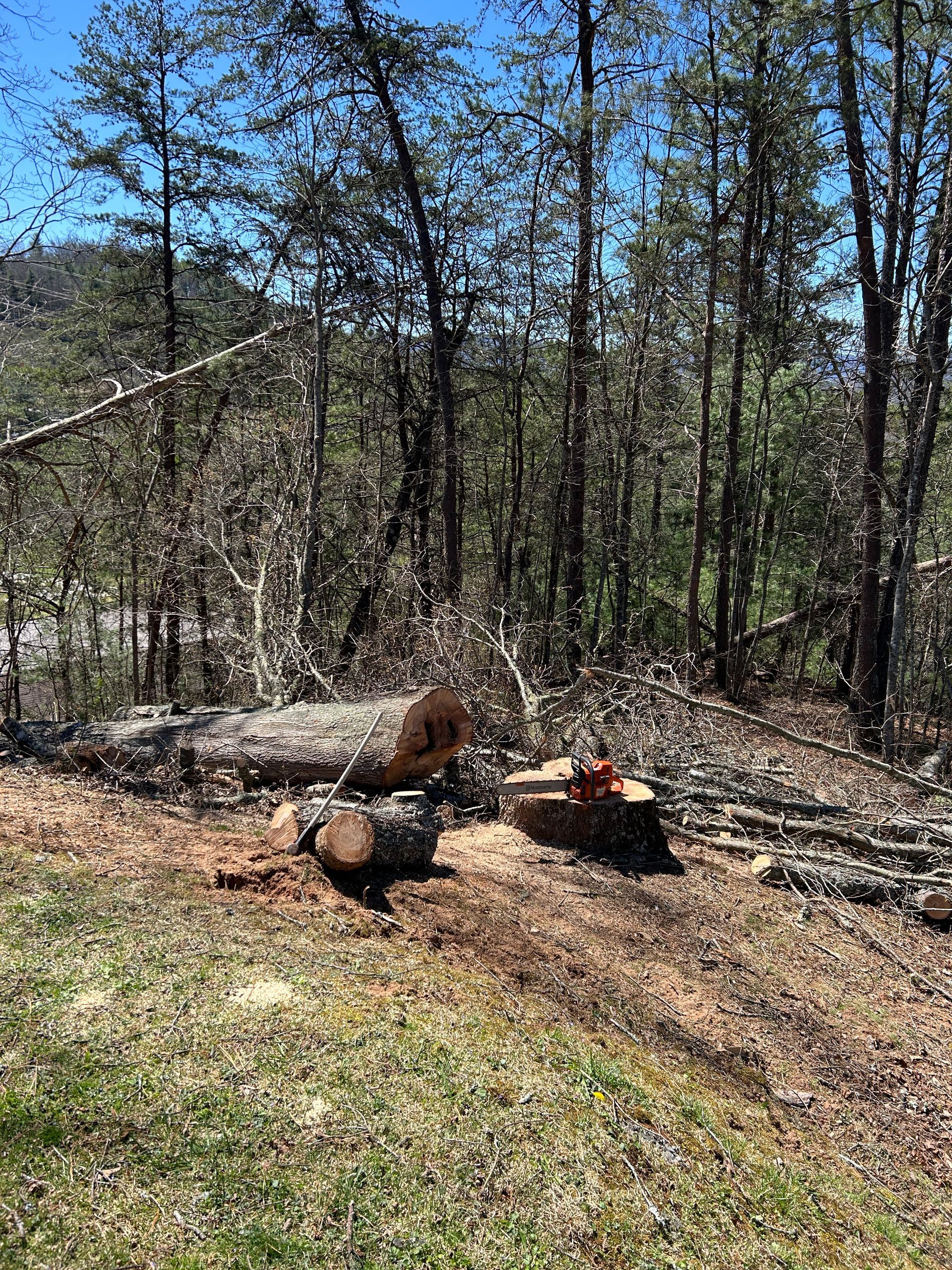
Mountain properties lose value and appeal when overgrown vegetation blocks the views that justified the location in the first place. Guests expect to see ridgelines and valleys from cabin decks, but fast-growing trees and brush quickly fill sightlines if left unmanaged. A.B. Land & Tree Service performs selective view cuts that open specific sightlines while preserving the natural landscape character that makes Western North Carolina properties desirable.
This service removes targeted trees and brush rather than clearing entire zones. The approach maintains privacy screening, windbreaks, and the forested appearance that defines mountain living, while opening windows to the views you purchased the property to see. Each cut is planned based on where you spend time outdoors and which views matter most for daily enjoyment or rental bookings.
Arrange an on-site consultation to walk the property and mark trees blocking priority views.
How Selective Cutting Maintains Landscape Balance
View cuts require identifying which specific trees and brush obstruct sightlines from key vantage points like decks, windows, or fire pits. A.B. Land & Tree Service evaluates each tree's position relative to the view corridor, considering seasonal leaf cover and growth patterns that will affect visibility over the next few years. Removing a single tree in the right spot often opens a view that cutting ten trees in the wrong area would never achieve.
After the cutting is complete, you'll notice clear sightlines to distant ridges, valleys, or specific landmarks that were previously hidden behind foliage. The surrounding forest still frames the property and provides privacy, but the view corridors now function as intended. For rental properties, this visible improvement directly affects guest reviews and booking rates, as mountain views are often the primary reason guests choose one cabin over another.
The process focuses on selective removal, not wholesale clearing, so the property retains its forested character and natural windbreaks. If trees near the view corridor are diseased or leaning, those become priorities for removal since they'll eventually fall and create larger disturbances. Timing the work during dormant seasons minimizes visual disruption and allows you to see exactly how the opened views will look year-round.
Property owners typically want to know how selective cutting works and what changes they'll see after the trees are removed.
Common Questions About This Service
What's the difference between view cuts and land clearing?
View cuts remove specific trees and brush to open sightlines while preserving the surrounding landscape. Land clearing removes all vegetation from a defined area, which changes the property's character and is typically used for building sites or pasture.
How do you decide which trees to remove for a view?
The work starts by standing at the locations where you want improved views—decks, windows, seating areas—and identifying which trees directly block sightlines to ridges or valleys. Trees are marked based on their position in the view corridor and their growth trajectory over the next several years.
Will removing trees affect privacy or wind protection?
Selective cuts target only the trees obstructing specific views, leaving surrounding vegetation intact to maintain privacy screening and windbreaks. The goal is to open windows to scenery without exposing the property to neighbors or weather.
How does opening views affect property value in Robbinsville?
Mountain properties with clear sightlines to ridges and valleys consistently command higher sale prices and rental rates. Guests booking cabins prioritize view quality in reviews, and buyers pay premiums for homes where the scenery is visible from living spaces.
How often do view cuts need maintenance?
Depending on local growth rates and tree species, you may need follow-up cuts every three to five years as new growth fills in. Fast-growing species like tulip poplar and locust encroach on sightlines more quickly than slower hardwoods.
A.B. Land & Tree Service customizes each view cut based on your property layout, the views you want to open, and the natural features worth preserving. Contact the team to schedule a site visit and discuss which sightlines would benefit most from selective tree removal.