Clear Land That's Ready to Use
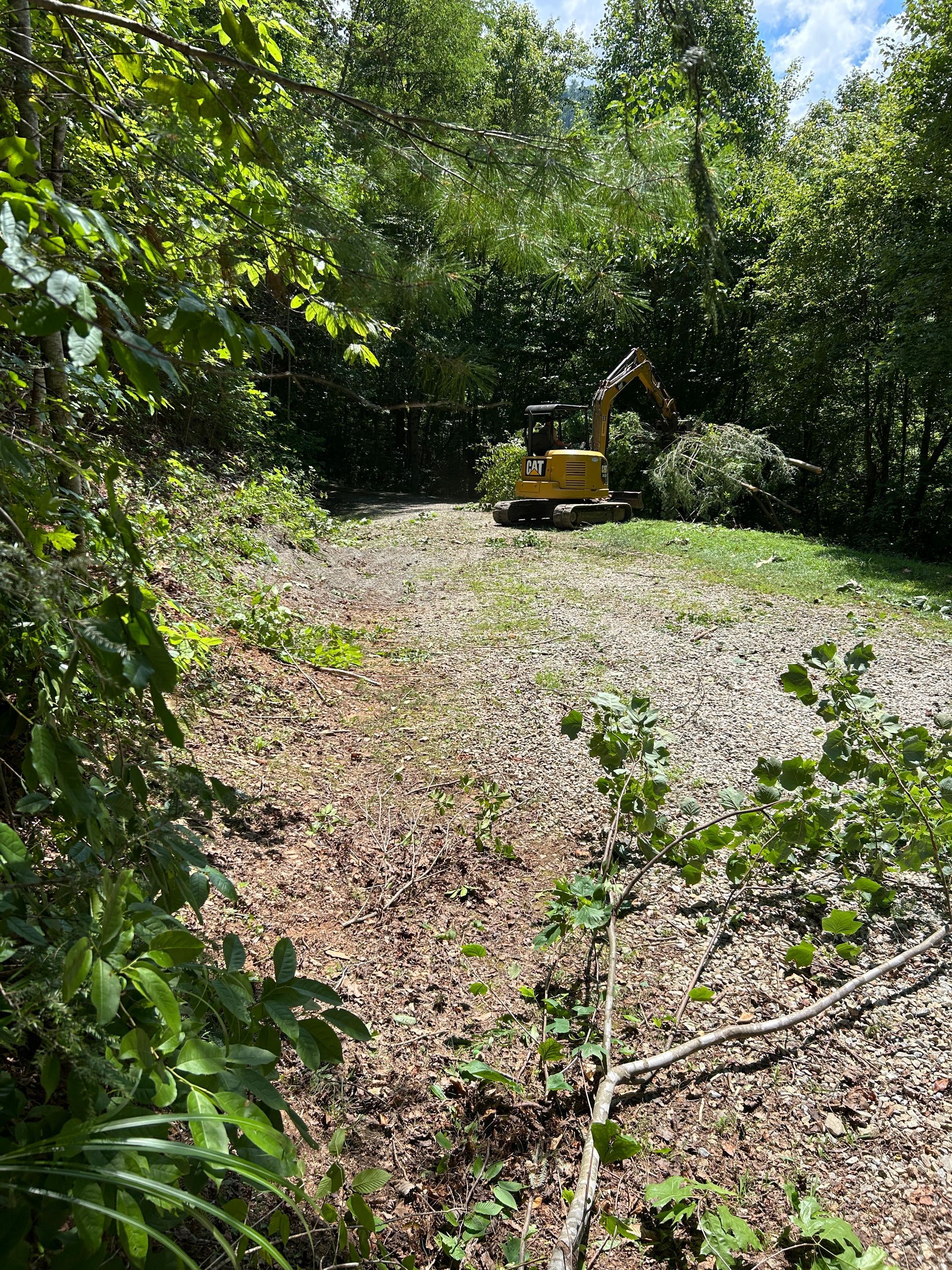
Underbrush clearing in Robbinsville for properties overgrown with dense brush, small trees, and vegetation blocking access
Dense underbrush doesn't just block pathways and views—it spreads aggressively across fence lines, creates fire hazards, and makes large properties nearly impossible to maintain. A.B. Land & Tree Service handles underbrush clearing in Western North Carolina, removing tangled brush, saplings, and overgrowth that limit how you can use your land. The work targets vegetation that chokes out desirable plants and accumulates dry fuel loads during summer months.
This service removes the layers of small trees, briars, vines, and low vegetation that have taken over sections of your property. The process opens access routes, restores visibility along boundaries, and eliminates the thickets where ticks and rodents thrive. In mountain terrain, underbrush often grows back faster than mowing can manage, especially in areas with partial shade and seasonal moisture.
Request a property walkthrough to identify priority clearing zones and discuss access requirements.
What Happens After Underbrush Removal
Clearing underbrush involves cutting vegetation close to ground level and removing the debris that would otherwise mat down and create obstacles. Equipment selection depends on terrain slope, soil conditions, and how much material needs processing. On properties with steep grades or wet ground, lighter machinery prevents rutting and soil compaction that causes erosion.
Once the work is complete, you'll walk areas that were previously impassable without pushing through thorns and low branches. Fence lines become visible again, making repairs and maintenance straightforward. The cleared zones no longer harbor the dense, dry fuel loads that turn small fires into fast-moving threats during dry seasons. Sunlight reaches the ground, allowing grass or intentional plantings to establish instead of invasive species reclaiming the space within months.
The service includes cutting and clearing but typically does not include stump grinding or grading, which are separate processes. If you plan to mow the cleared area regularly, discuss how low the cut should be and whether root masses need additional treatment. Properties with ongoing maintenance plans often schedule periodic clearing to prevent regrowth from reaching the density that requires heavy equipment again.
Here are answers to common concerns about clearing overgrown land and managing vegetation on larger properties.
Questions Property Owners Usually Ask
What types of vegetation does underbrush clearing remove?
The service targets dense brush, small trees under a certain diameter, vines, briars, and low overgrowth that blocks access and spreads across your property. Larger trees requiring felling are handled separately.
How does clearing reduce fire risk on mountain properties?
Removing thick, dry vegetation eliminates fuel loads that ignite quickly and carry flames across the ground. In Western North Carolina, where summer droughts are common, cleared defensible space around structures slows fire spread and gives you safer evacuation routes.
When is the best time to schedule underbrush clearing?
Late fall through early spring works well in Robbinsville, when vegetation is dormant and ground conditions are firmer. Clearing during these months also prevents disturbing nesting wildlife and reduces the chance of equipment sinking into soft soil.
What will the land look like after clearing is finished?
You'll see open ground with cut vegetation removed, allowing you to walk, mow, or build without obstruction. The area appears noticeably cleaner, with improved sightlines and access to fence lines or other features previously hidden by growth.
How quickly does underbrush grow back after clearing?
Regrowth speed depends on soil fertility, sunlight, and moisture, but many properties see new shoots within one growing season. Regular mowing or follow-up clearing every few years keeps vegetation manageable and prevents the return of dense thickets.
A.B. Land & Tree Service works with property owners across Western North Carolina to restore usable space and reduce long-term maintenance challenges. Schedule a site evaluation to review clearing options based on your property layout and vegetation density.